

In Enga, visitors are accorded red-carpet treatment.
Those who have been to the province will agree with this statement.
If violent tribal fights become dormant once and for all, this potential can market and promote the tourism and hospitality industry in the province, providing opportunities for the people.
Like they say in Tok Pisin ‘Pasin em Poison -Pasin laikim sharim em stap.’ (Translation- one’s good character is an attraction. Culture of sharing and caring is common in Enga.)
They follow rules of engagement in fights; that is no harming visitors except their tribal foes at the battlefield. It is even extended to women, girls, leaders and kids.
One Central professional who served at the former Sopas Adventist Hospital testified his fond memory of Enga.
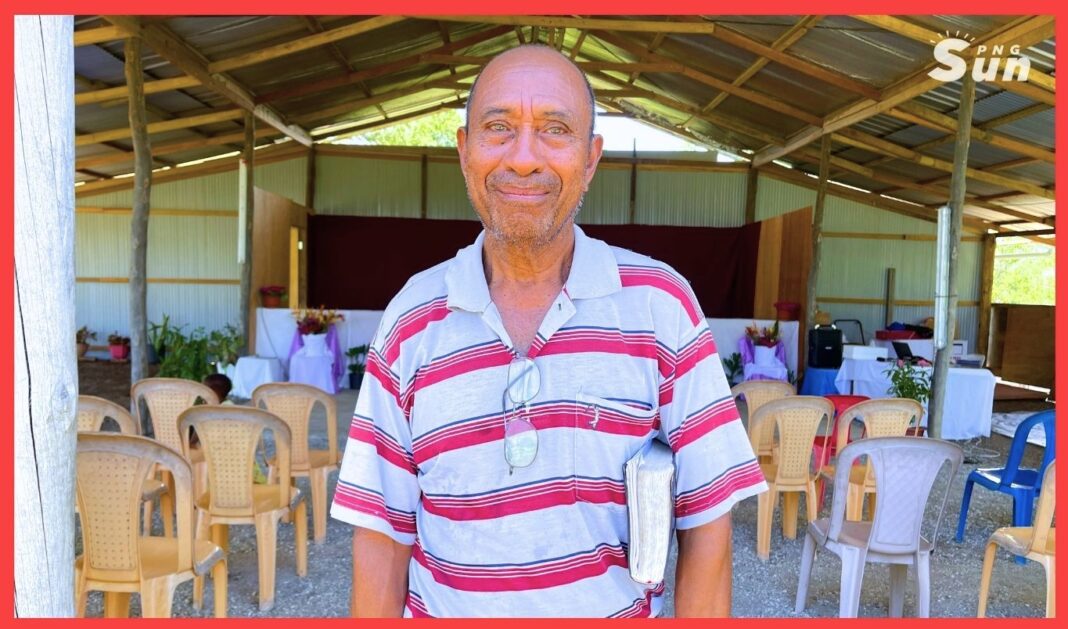
A 72-year-old man from Central Province has shared a heartfelt testimony of his years living and working in Wabag’s Sopas.
He described the people as respectful despite the challenges of the time.
Wapana Baira recalled arriving at Sopas in 1978, where he spent about two and a half years.
He later pursued a career in the medical field, becoming a Medical Laboratory Technician in 1982.
His journey in healthcare eventually brought him back to Port Moresby General Hospital, where he continued his service during the mid-1980s.
Reflecting on his time in Enga, Mr. Baira said life in Wabag was both demanding and memorable.
He often walked long distances between Sopas and Wabag, experiencing firsthand the resilience of the local communities.
“The people are respectful,” he shared.
“They fight, but it’s almost like a rugby match happening everywhere-they target only their enemies.”
Baira’s connection to Enga runs even deeper through his wife, Alice, who trained and graduated as a nurse in the province, further strengthening their ties to the region.
His story offers a glimpse into life in Enga during earlier decades, highlighting both the challenges and the strong community values that continue to shape the province today.
Note: The author was preaching at their Kauteri SDA Church. He introduced himself as an Engan who comes from a village near Wabag Town. This happy-looking gentleman waited for the author outside the church and shared this story with him.