

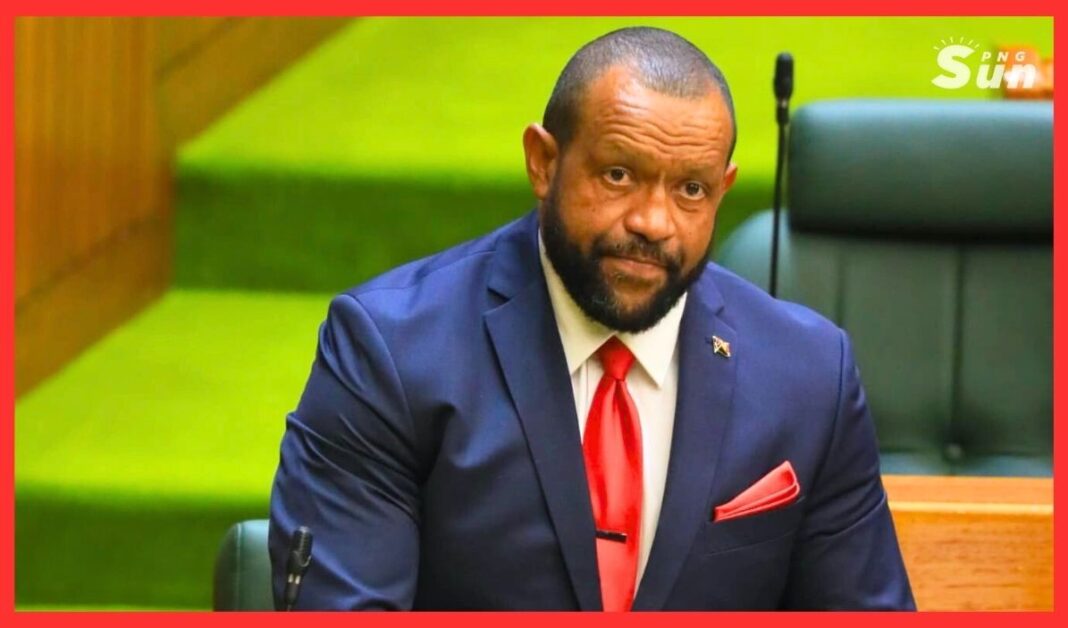

The Parliamentary Opposition Leader James Nomane has raised serious concerns that the newly passed Vagrancy Act 2025 could threaten national unity.
Debating on the bill yesterday, Mr. Nomane warned that it risks discriminating against citizens and undermining constitutional freedoms.
Related news: https://www.postcourier.com.pg/2025-vagrancy-law-received-major-support-in-parliament/
However, NCD Governor Powes Parkop said the law is only a tool to enhance safety and security in the city.
Governor Parkop has clarified that the law does not target homeless or unemployed individuals unless they are involved repeatedly in summary offenses or criminal activities that threaten public safety.
“This law targets behavior, not identity,” he said.
“If you are homeless or unemployed but not committing crime, this law will not apply to you.”
PNG Parliament last night overwhelmingly passed the revised law by an 80–1 vote, despite strong objections from the Opposition Leader during debate.
Mr. Nomane argued that the legislation could divide Papua New Guineans by restricting their right to live and move freely across the country.
“After 50 years, all members of this House should be promoting national unity. This bill will create discrimination, erode national unity, and make citizens exiles in their own country,” he told Parliament.
He stressed that every citizen has a constitutional right to reside anywhere within the country, regardless of their province of origin.
“This is our country. Whether I am from Simbu, Hela, or Hiri, wherever I go, this is my country,” Nomane stated.
Opposition Leader Nomane questioned the intent of labeling individuals as “vagrants” and sending them back to their home provinces, describing it as arbitrary and dangerous.
“We already have the Criminal Code. All we need is enforcement. There is no need for an additional law that starts labeling people and telling them to go back,” he said.
Mr. Nomane warned that the law could set a troubling precedent.
“That is discrimination 101. It will make Papua New Guinean citizens exiles in their own country. What then is the meaning of ‘country bilong yumi’?” he asked.
He cautioned Parliament against supporting legislation that could divide the nation.
“We are treading on dangerous ground here. This bill is corrosive to national unity, and the House should take note.”