

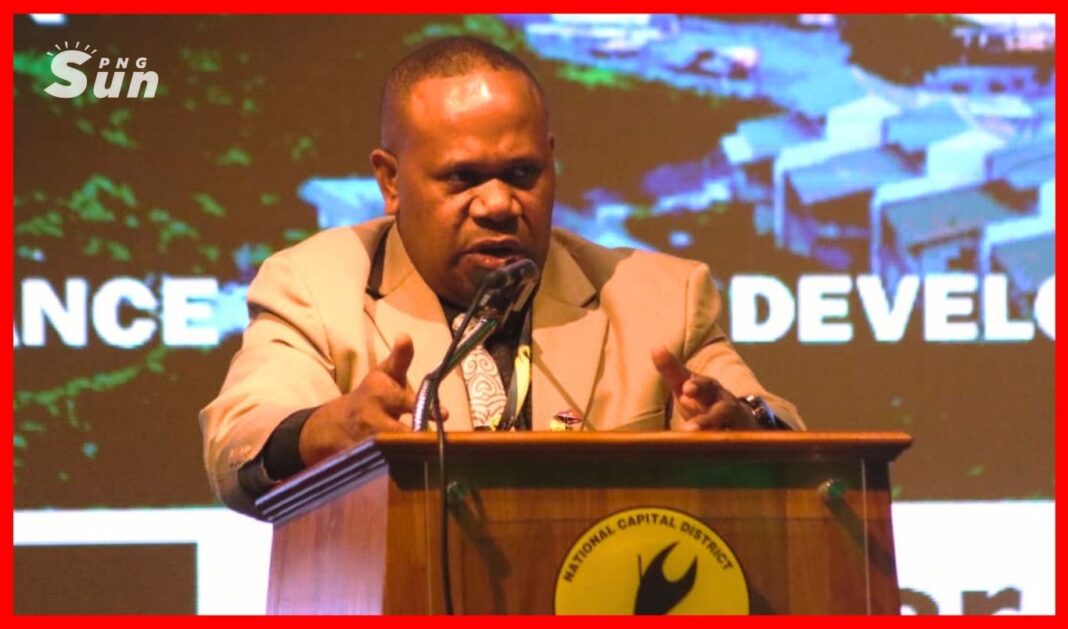

Department of Works and Highways Secretary Gibson Holemba has urged architects, engineers and builders to uphold ethics, professionalism and integrity while incorporating Papua New Guinea-inspired designs into construction as the country experiences rapid urban growth.
Speaking at the 2026 NCDC Building Authority Seminar at the Hilton Hotel in Port Moresby last week, Mr. Holemba said the country’s building professionals have a critical role in shaping cities that reflect Papua New Guinea’s identity while meeting modern development standards.
The seminar, hosted by the National Capital District Commission under the theme “Transformation through Building Compliance and City Development,” brought together officers from NCDC’s Building and Engineering Division, Department of Works and Highways building inspectors from all 21 provinces, industry players, developers and investors.
Mr. Holemba said home-grown architects, engineers, planners and builders must help transform Port Moresby’s skyline while ensuring Papua New Guinea’s culture and identity are reflected in future developments.
He said the country’s rapid urbanization, driven by government-backed development, is also expanding into cities such as Lae, Mt Hagen and Kokopo.
Mr. Holemba reminded participants that the Department of Works and Highways administers and regulates the Building Act throughout Papua New Guinea.
“The Building Act and Regulations control all building activity within the country, whether it is the construction or alteration of major buildings,” he said.
He said Papua New Guinea’s construction industry has evolved significantly over the past 50 years, moving from mainly low-rise buildings to modern high-rise developments.
Mr. Holemba said the department is reviewing building design standards to meet the demands of economic growth and a growing population.
“We are now changing the building design standards from the older low-set standards to modern designs that meet today’s development needs,” he said.
He also called for improvements in the design of public infrastructure, including classrooms, police stations, hospitals, bus stops and other public facilities.
“We have to change the way we design our public buildings so they can provide better and more efficient services to meet the current needs of our citizens,” he said.
Mr. Holemba said the industry should focus on delivering long-term outcomes rather than short-term gains, adding that quality infrastructure would strengthen investor confidence, promote social inclusion and restore public trust in government systems.
He said the seminar provided an important platform for stakeholders to identify practical and efficient ways to improve Papua New Guinea’s building and construction industry.
Mr. Holemba also recommended that the seminar be held annually or every two years to encourage continued collaboration and professional development across the sector.