

More than 50,000 citizens of Karimui, covering Ward 1 to Ward 27 in Simbu Province, are calling on the government for political and economic empowerment.
The population includes people from remote villages and surrounding areas such as Ialibu-Pangia, Kikori, Baimuru, South Waghi, Gumine, Okapa, and Lufa districts.
Related news: https://www.nbc.com.pg/post/25141/27-wards-in-karimui-llg-wants-new-electorate
The community is calling for the creation of a new district for remote Karimui by the 2032 National General Election.
The call is directed to the Honorable Members of Parliament representing Simbu Province, including Governor Noah Kool.
It is also directed to Prime Minister James Marape and all national leaders responsible for the future of Papua New Guinea.
A vocal young leader Wetty Paul Suu relayed the wish of the people.
“I am writing with humility and conviction on behalf of the people of Karimui. Karimui is a land rich in culture, natural resources, and resilient people.”
Yet, he said, it remains beyond the full reach of national development.
For more than 55 years, the voices of Karimui have called for fair representation and meaningful development, Mr. Suu said.
He added that generation after generation has waited for the promise of equal opportunity to reach even the most remote communities.
The people of Karimui have remained loyal citizens and have contributed to the spirit and identity of Papua New Guinea, he said.
Moreover, many villages still live without reliable roads, modern health services, adequate schools, and economic opportunities.
“Families cannot live with dignity without these services.”
Mr. Suu stressed that this is not a complaint, but a quiet reality that has existed for decades.
Therefore, the community respectfully proposes that a new district be created for remote Karimui by the 2032 National General Election.
“This is not a call for division. It is a call for inclusion, fairness, and opportunity for the most distant communities,” he said.
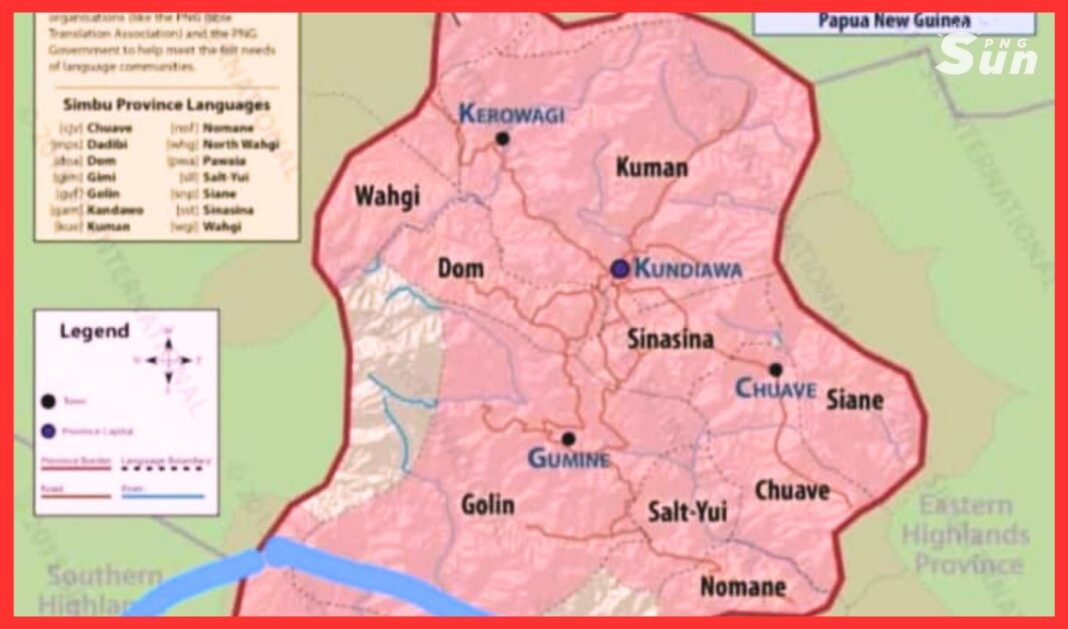
Mr. Suu highlighted that Karimui is geographically and culturally unique, linking the highlands and lowlands.
It borders Gulf, Southern Highlands, and Eastern Highlands provinces, and is home to the Pawaia, Yasa, Daribi, and Bomai peoples.
“Our communities hold enormous potential for agriculture, eco-tourism, biodiversity conservation, and responsible natural resource development,” he said.
He noted that other remote areas, such as Maramuni, have been recognized through the creation of new districts, demonstrating that fairness and inclusion are possible.
“If other remote regions can be trusted with their own district, why not Karimui?” Mr. Suu asked.
He referred to the Constitution of Papua New Guinea, which recognizes the principle of decentralization and fair representation. Sections 187A–C establish provincial and local-level governments.
The Organic Law on Provincial Governments and Local-Level Governments provides the framework for effective local representation, he said.
In addition, national strategies such as Vision 2050 and the Medium-Term Development Plan IV (2023–2027) commit to inclusive development and service delivery across all regions of the country.
He said the Karimui proposal aligns directly with these principles.
To ensure effective governance and equitable development, the current Salt-Nomane Karimui administrative area could be reorganized into two districts.
The first would be Salt-Nomane District, retaining its existing identity.
The second would be Payadabo District, representing remote Karimui communities.
Karimui would remain the township and administrative center, while Payadabo would be the official gazette district name, reflecting the unity of the four tribes.
Local governance could be strengthened through four Local-Level Governments (LLGs):
1. Pawaia LLG
2. Yasa LLG
3. Daribi LLG
4. Bomai LLG
The people of Karimui are not asking for special treatment, but for the same opportunities given to other remote districts.
By 2032, they believe Karimui should be represented in Parliament by one of its own—someone who understands their struggles and aspirations.
Such leadership would help ensure development reaches every village, every family, and every citizen.
“Karimui does not ask for privilege. We ask only for the same opportunity given to every other part of our nation,” Mr. Suu said.
“A nation is only truly free when even its most remote people are seen, heard, and represented.”