


The Parliamentary opposition team has intensified allegations of potential money laundering following the Papua New Guinea Defense Force’s (PNGDF) decision to invest K20 million into the state-owned National Banking Corporation, warning the move could further damage the country’s standing with global financial watchdogs.
Read Prime Minister James Marape’s response to the Opposition’s comment: https://www.facebook.com/share/p/1BGbCySUJn/?mibextid=wwXIfr
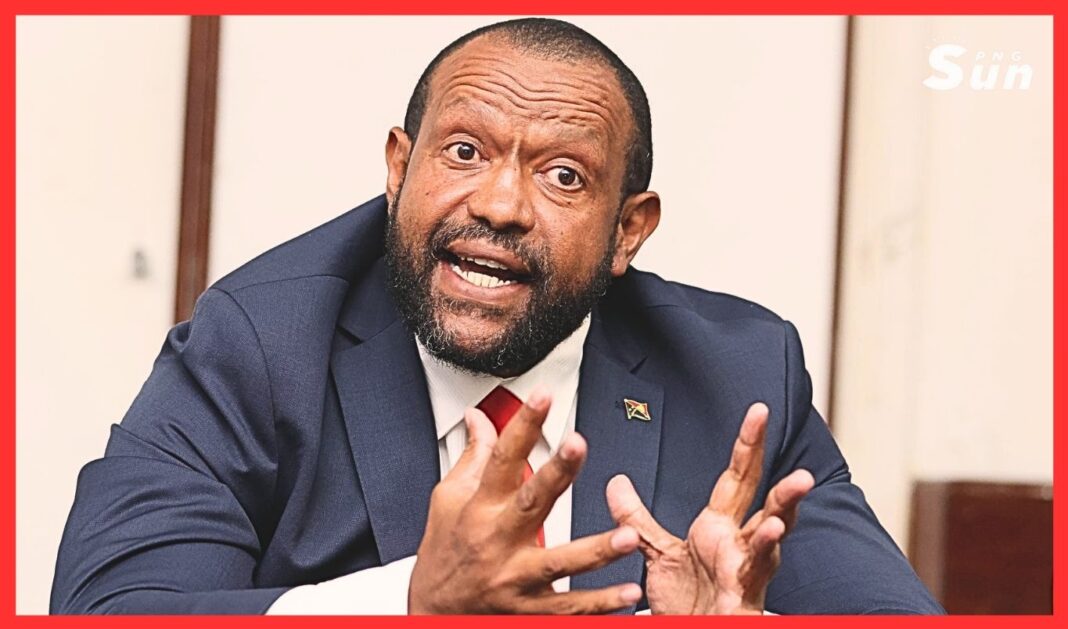
In a press conference yesterday, Opposition Leader, James Nomane said the transaction raises “serious red flags,” particularly in light of Papua New Guinea’s recent grey listing by the Financial Action Task Force (FATF) in February 2026.
Related news: https://pnghausbung.com/png-faces-deadline-for-fixing-issues-with-money-laundering-and-counter-terrorist-financing/
“To us, it reeks of money laundering,” Nomane said, questioning why a military institution would engage in financial investments outside its core mandate.
He argued that placing such funds into a government-run bank with what he described as weaker governance structures creates vulnerabilities for misuse and lack of oversight.
Mr. Nomane warned that the absence of transparency around the purpose and management of the funds could undermine efforts to strengthen anti-money laundering controls.
“There are no clear safeguards on how this money will be used or monitored,” he said, adding that such actions risk pushing the country closer to blacklisting by FATF.
The concerns were backed by Ialibu-Pangia MP and former prime minister, Peter O’Neill, who described the investment as a misallocation of critical defense resources amid mounting financial pressures within the force.
Mr. O’Neill said the PNGDF is struggling to meet basic operational needs, including maintaining barracks, paying for supplies, and supporting personnel in remote deployments.
He added that diverting K20 million into a Bank as an investment instead of addressing these urgent needs raises questions about financial priorities and accountability.
“No other defense force in a democracy is used as an investment arm of government,” O’Neill said, warning that such decisions could erode public trust and fuel perceptions of financial misconduct.
Both leaders linked the controversy to broader systemic issues, including weak institutional oversight and declining investor confidence.
They cautioned that any perception of money laundering could have serious economic consequences, particularly as Papua New Guinea seeks to restore credibility with international partners following its grey listing.